
Language Revitalization – Traditional Dialects and Native Language Resurgancies
Tribal nations across Indian Country have built up Native language revitalization efforts in their nations with the purpose of retaining, rebuilding, and strengthening the fluency of traditional Native languages. Cultural practices and Native languages are intertwined – commonly in tribal nations and across Native communities, it is important to safeguard both culture and language. The urgency to retain Native languages and traditional dialects is often one of the highest priorities of tribal nations after centuries of intentional cultural, political, and economical targeting of Native people with the focus of eliminating Native culture by settler and settler colonial epistemologies.
Presently, tribal nations are working toward harnessing the power of education to move towards healing from the atrocities that were inflicted upon American Indian and Alaska Native people by both church and state. The staff of these schools used tactics like kidnapping children and forcibly taking them to boarding schools run by a foreign government and foreign church. The National Native American Boarding School Healing Coalition states that, “Between 1869 and the 1960s, hundreds of thousands of Native American children were removed from their homes and families and placed in boarding schools.” At these boarding schools, it was part of their practice that Native children were prohibited from speaking their Native languages, and were physically and mentally abused when they spoke their traditional languages; Native children were instead, forced to learn only English.
Today, moving towards healing takes form in some tribes using their self-determination and sovereignty rights to open tribal schools, and focusing on traditional Native teaching methods and frameworks that include teaching language, and encourages practicing Native linguistics and vocabulary. Native scholars and experts like Vi Hilbert (Upper Skagit) have written books and shared stories to be tools in the language revitalization efforts of the Lushootseed language, one of the traditional dialects of Coast Salish territory. In Native Language Revitalization: A personal Journey Into Paiute Language and Culture, Native author Kellie Harry writes, “Native language revitalization began to gain momentum in 1990, when the U.S. government passed the Native American Languages Act (NALA), a ‘federal policy that allows the use of Native American languages as the medium of instruction and affirms the right of Native American children to express themselves, be educated, and assessed in their languages.’
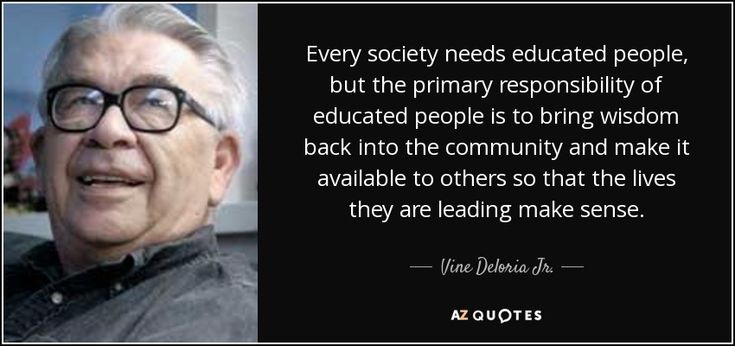
“It took awhile for this legislation to have an impact at the ground level, but by my sophomore year, in 1997-98, my Tribe had secured a federal grant to support language preservation and documentation efforts, including a Paiute language class at the local Bureau of Indian Education (BIE) high school. While we were all worried about my grandmother after my grandfather passed, we became very excited when she was hired as the language coordinator for this grant program. In many ways, this program changed the course of my life. Influenced by my grandmother, I switched schools from Sparks to the local BIE school. I wanted to go deeper into my language and culture, and I was not alone. The school grew from six to 60 students that year, as many of my Tribal peers looked for the same Native-focused experience.” (2021).
We are seeing language revitalization taking place across Indian Country by way of Zoom and online meeting forums. The technology of today is a tool that Native people can use to teach and learn Native languages when one might not live in their home tribal nation. We are seeing Native language immersion in schools (tribal and sometimes non-tribal schools). And we continue to feel the sense or urgency to support the language revitalization efforts that tribal nations and Native people are taking across Indian Country.

In the North Sound Region, there are four different traditional dialects that come from Coast Salish territory tribes:
Nooksack: Lhéchelesem
- Culture Program | Nooksack Tribe
- What it takes to preserve and revitalize the Nooksack language, Lhéchelesem | Cascadia News | August 17, 2024
Lummi: Xwlemi Chosen
- Lummi Language | Ferndale School District
- Some Washington public schools partnering with tribes to bring Indigenous languages into classrooms | OPB | July 9, 2023
Upper Skagit: Northern Lushootseed
- “WE’RE STILL HERE.” The Survival of Washington Indians | WA Secretary of State
- Vi taqʷšəblu Hilbert | Skagit Valley College
Swinomish: Northern Lushootseed
- Lushootseed | Swinomish Indian Tribal Community
Old language flames to life in Swinomish tribe – More tribal members learning to speak native Lushootseed | Go Skagit | May 21, 2015
Samish: Xws7ámeshqen
- Learn with and from Samish | Samish Indian Nation
- How the Samish Indian Nation is working to preserve their language | Go Skagit | January 25, 2024
Sauk-Suiattle: Northern Lushootseed
- Sauk-Suiattle Language: Lushootseed | Sauk-Suiattle Indian Tribe
Stillaguamish: Northern Lushootseed
- Cultural Resources Department | Stillaguamish Tribe | January 11, 2022
Tulalip: Northern Lushootseed
- Tulalip Lushootseed Language | Tulalip Tribes
- Teaching Lushootseed to future Tulalip | Tulalip News | February 20, 2020
- After decades of outlawed culture, a Tulalip revival | Indian Country Today | July 14, 2022
- For students, Tulalip Tribes’ native language a connection to the past | HeraldNet | March 30, 2013
Relating Resources:
Beyond Words: The Power Of Native Language Revitalization (podcast) | National Congress of American Indians | July 1, 2024
Analysis: How Indigenous languages can be preserved, and why those efforts help revitalize culture | PBS | October 20, 2022
Language and Culture Based Education | National Indian Education Association
Language Warriors – Preserving Our Heritage | Hibulb Cultural Center