
Learning Together in Respectful Relationship with Tribal Nations
Nationwide, there are 575 federally recognized tribes, 29 of which share geography with Washington State. Within North Sound ACH’s five-county region, eight federally recognized tribes have been present since time immemorial.
Meaningful partnerships with tribal nations begin with an understanding of tribal sovereignty, treaty rights, and tribal history. Look up the traditional lands where you live and work at native-land.ca, and find the reservations and tribal governments in your area.
Use this guide to take your first steps toward learning about tribal nations and how you can approach authentic collaborations with tribal communities.

Tribal Sovereignty is a Pillar of Our Work
From its earliest days, North Sound ACH has embraced the honoring of tribal sovereignty as a core value and vital organizing principle in our work to strengthen community health, belonging, and well being in our region.
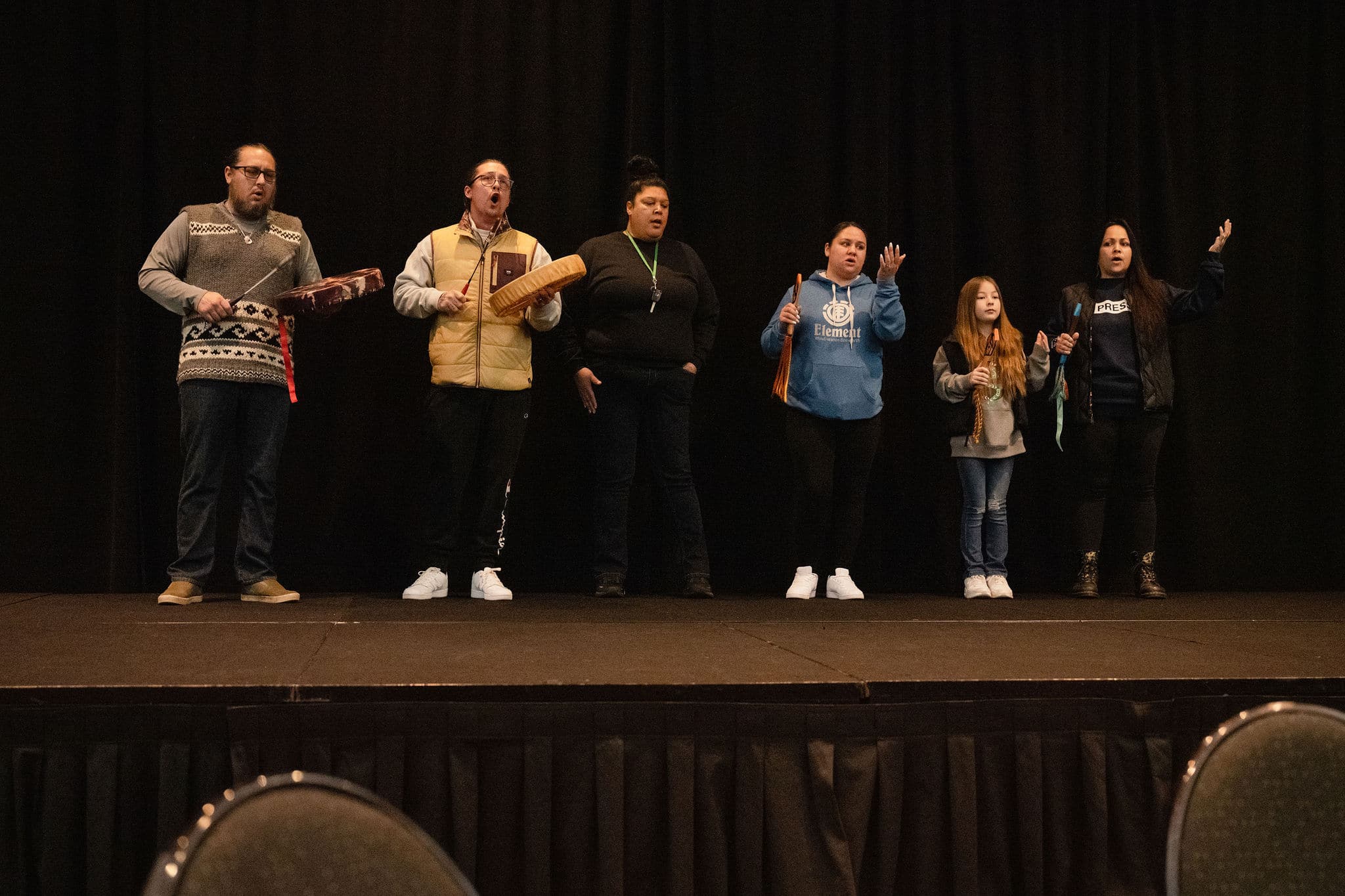
Some of the ways we express our commitment to center tribal learning include:
- A staff Tribal Liaison
- A seat on our Board of Directors for each tribal nation in our region – eight board seats in total
- A Tribal Alignment Committee within our board of directors
- A land acknowledgement developed with guidance from tribal representatives
- Strong partnerships with Native-led organizations in our region such as: Northwest Washington Indian Health Board, Setting Sun Circle, Coast Salish Youth Coalition, and others
Tribal Nations in Our Region
- Lhaq’temish (Lummi Nation)
- Noxsá7aq (Nooksack Indian Tribe)
- Xws7ámesh (Samish Indian Nation)
- Saʔkʷbixʷ-saʔkʷəbixʷ (Sauk-Suiattle Indian Tribe)
- Stuləgʷ abš (Stillaguamish Tribe)
- Swədubš (Swinomish Indian Tribal Community)
- Dxʷlilap (Tulalip Tribes)
- Dxʷʔaha (Upper Skagit Indian Tribe)
Tribal Sovereignty: A Foundational Principle for Tribal Relations
Tribal nations and their citizens are inherently sovereign, with an authority that predates the formation of the federal government and the U.S. Constitution. Tribal sovereignty is the foundational legal recognition of that fact. Each tribe is autonomous and self-governing, with a separate, independent, nation-to-nation relationship with the federal government.
Myth: Indigenous-led organizations are synonymous with tribal nations.
Fact: Tribal nations are sovereign political entities with elected councils and authority over their lands and citizens. Indigenous-led organizations are nonprofits or community groups that operate under standard corporate or nonprofit laws.
Why Does Learning About Tribal Sovereignty Matter?
The most critical component of carrying out appropriate and successful interactions with tribal nations and tribal leaders is anchored in the ability of organizations to acknowledge, comprehend, and finally, respect tribal sovereignty.
Treaties and Accords in Washington State
- A treaty is a binding document between nations and, with respect to tribal treaties, a recognition by the federal government of the inherent, inalienable rights of tribal nations. At the state and federal level, treaties with tribal nations have the same status as treaties with other countries
- An accord is a formal agreement or diplomatic understanding between two or more governments that does not rise to the level of a treaty. Whereas treaties apply to sovereign nations, accords may be crafted between government entities where one or more is not a sovereign nation.

MYTH | FACT
Myth: Treaties are an artifact of the past and solely apply to tribal nations, giving them access to certain resources.
Fact: Under the U.S. Constitution’s Supremacy Clause (Article VI, Clause 2), treaties are recognized as part of the “supreme law of the land.” As such, they are permanently binding living documents with no expiration date, and non-tribal citizens are equally subject to their stipulations. Though treaties are often mischaracterized as “granting rights” to tribal nations, in fact, the opposite is true: Treaties are formal acknowledgements of tribal sovereignty and of each tribe’s full array of pre-existing rights. Through treaty language, tribal nations choose to convey certain, limited rights to the federal government, but treaties have no power to remove any right that is not given by the signatory tribe(s).
John McCoy (lulilaš) Since Time Immemorial: Tribal Sovereignty in Washington State
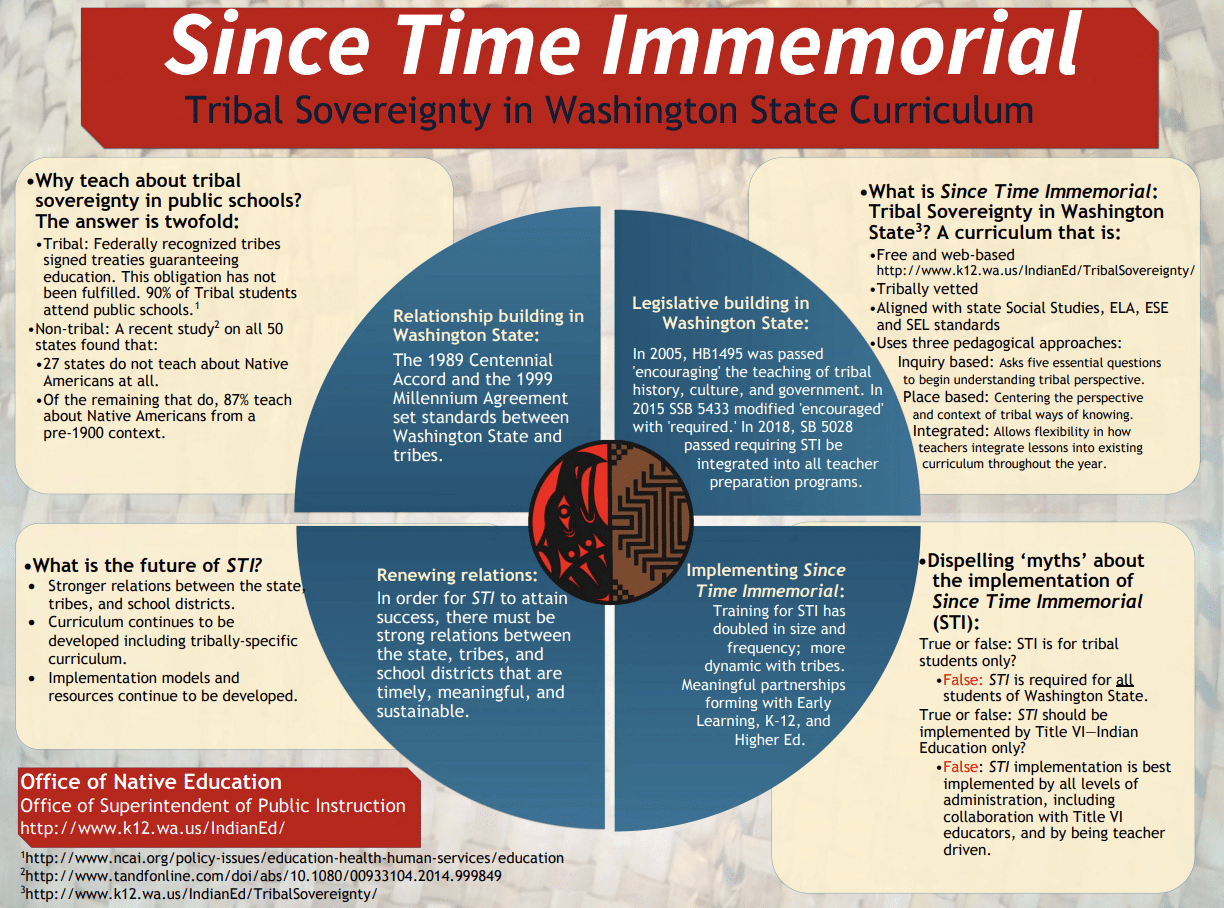
Since Time Immemorial (STI) is the place-based educational framework for teaching tribal sovereignty and history in Washington State. A living partnership between school districts and tribes, it is endorsed by all 29 federally recognized tribes in the state.
—
‘Time immemorial’ is a phrase often used by Indigenous peoples in North America to signify the longevity of the first peoples on this land. “Beyond recorded history, beyond oral tradition, beyond oral memory, into what we call the deep past.” – Harvard history professor Philip J. Deloria (Yankton Dakota) (read more in this article by Indian Country Today)
Building Authentic Relationships
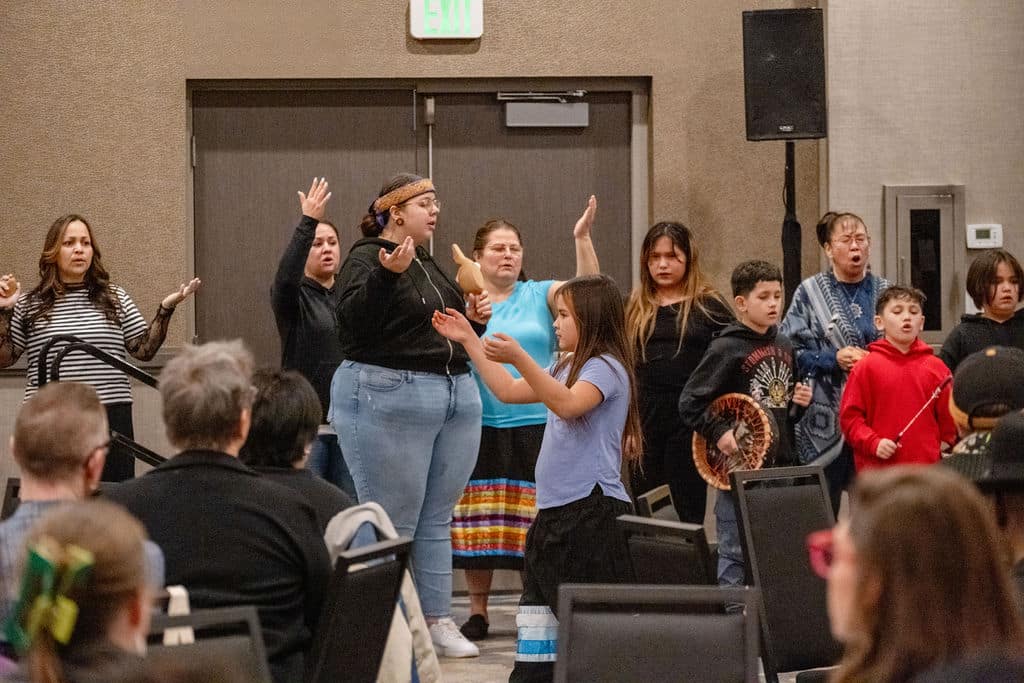
These practices can help you deepen your understanding of tribal nations where you live:
- Register for a Government-to-Government Training through the Governor’s Office for Indian Affairs.
- Visit tribal-run websites and follow tribes on social media.
- Subscribe to or follow tribal newspapers and newsletters.
- Attend tribal events that are open to the public, such as powwows and canoe landings.
- Visit tribal museums in your area.
- Meet and support Indigenous-led organizations within the Collaborative Action Network.
Reflect on your current relations:
- Are you in touch with the appropriate programmatic staff within tribal offices? (Generally, the Chairperson or tribal council will not be your first contact.)
- At what cadence do you reach out to tribal partners?
Reach out to North Sound ACH Tribal Liaison Michaela Vendiola at michaela@northsoundach.org for more information on building strong tribal relations.
Explore Key Resources
Modeling Tribal Relations
These are the ways in which North Sound ACH works with Tribes and Indigenous-led organizations to promote health equity, support community sovereignty, and foster collaborative partnerships.
Collaborative Action Network Tribal Learning Blog
Tribal Sovereignty Contextualization (29- minute read time): This brief serves as a baseline understanding and opportunity to continue the necessary contextual tribal learning focused on understanding tribal sovereignty, and to identify next steps towards the implementation of tribal sovereignty into day-to-day operations.
Tribal Wellness Series (between 4:55 and 13:26 minutes): In 2022, North Sound ACH partnered with Children of the Setting Sun Productions (now named Setting Sun Circle) to showcase each tribe in our region through its cultural practices and individual approaches to community health and wellness.
Tribal Sovereignty
What Is Tribal Sovereignty? (Native Governance Center, 2:36 minutes): A common misconception is that sovereignty is *granted* by the federal government. Rather, sovereignty is a preexisting status, independent of the formation of the United States, that is *recognized* through treaties.
Tribal Sovereignty, Explained (Washington Tribes, 3:15 minutes): This video features Washington State tribal leaders Teri Gobin, Chair of the Tulalip Tribes, RoseMary LaClair, Chair of the Nooksack Indian Tribe, and JJ Wilbur, Vice Chair of the Swinomish Indian Community, in discussion about the meaning of sovereignty.
Seven Frequently Asked Questions about Tribal Sovereignty (Washington Tribes, 6 minute read time): Drawing from tribal leaders and other resources, this FAQ covers tribal sovereignty and how that is expressed through tribal governments and the application of treaty rights.
Unfulfilled Obligations: Realizing the Promise of Tribal Sovereignty (American Bar Association, 7 minute read time): Despite formal recognition of tribal sovereignty, tribal nations face systemic legal and political barriers that hinder their ability to govern and build self-sustaining economies.
Treaties and accords
Foundational Documents
These documents govern tribal relations in the Puget Sound region.
Treaty of Point Elliott: The 1855 Treaty of Point Elliott formalized government-to-government relationships with 22 signatory tribal nations and, among other outcomes, affirmed the right of tribal nations to practice their traditional cultures and to fish, hunt and gather in their usual and accustomed places, among other reserved rights.
Centennial Accord: In 1989, Washington State established a first-in-the-nation agreement between a state government and the federally recognized tribes in a state, in order to develop new relationships, strategies, and cooperative efforts to co-manage resources and protect tribal sovereignty.
Millennium Agreement: The 1999 Millenium Agreement is a reaffirmation of the Centennial Accord in order to operationalize the terms of the Accord on a day-to-day basis.
Explainers
Why Treaties Matter (NPR, 5:20 minutes): Treaties are binding agreements between two sovereign nations. As living documents, they have the force of federal legislation and are considered part of the supreme law of the land under the U.S. Constitution.
What is Treaty Day? (Setting Sun Circle, 4 minutes): The Lummi Nation was a signatory to the Treaty of Point Elliott in 1855. In this interview, Jay Julius, former Chair of the Lummi Nation, explains the sovereign-to-sovereign relationship of the tribe to the federal government that underlies the treaty’s legal status.
Understanding Treaty Rights: A Guide for Non-Native Allies (Native Governance Center, 13 minute read time): This resource guide aims to provide allies and accomplices with a foundational understanding of treaty rights, serving as both an educational tool and a source of inspiration for how to actively support Native nations and their sovereignty.
Tribal Sovereignty Curriculum
Since Time Immemorial: Tribal in Washington State Curriculum: This poster depicts the purpose and general scope of STI. It was created by daniseten Michael Vendiola, an enrolled tribal member of the Swinomish Indian Tribal Community and former director of OSPI’s Office of Native Education.
John McCoy (lulilaš) Since Time Immemorial: Tribal Sovereignty in Washington State Curriculum (Teach with TVW, 6:36 minutes): The John McCoy (lulilaš) Since Time Immemorial: Tribal Sovereignty in Washington State Curriculum is a comprehensive educational framework designed to teach K-12 students about the history, culture, and government of Native American tribes. It has been endorsed by all 29 federally recognized tribes in Washington State. and advocates a collaborative approach between school districts and tribes.
Language resources
In this section we have curated resources to help with respectful terminology as well as a few resources about Lushootseed and Straits Salish, the Native languages in our region. Language revitalization is a crucial practice of cultural preservation, and most tribal nations have language programs for their citizens.
How to Talk About Native Nations (10 minute read time): Appropriate terminology is essential to respectful communications with tribal nations. This guide will help you begin your exploration of language and ways you can contribute to narrative change about Native peoples.
Coast Salish People and Their Languages: This map, from the Burke Museum, shows the geographic range of the Coast Salish language family and the Indigenous peoples who speak these languages.
Lushootseed Sounds Tutorial (5 minutes): This short introductory guide to sound and orthography was produced by the Stillaguamish Tribe.
Coast Salish Place Names of the San Juan Islands and Strait of Georgia: This interactive map, created by the Samish Tribe, offers Coast Salish place names, including pronunciation, for many locations in the San Juans and up the coast to the Canadian border.
Explore local partners
Setting Sun Circle is an Indigenous-led nonprofit organization that weaves together storytelling, education, and research to amplify Native voices and inspire collective action to protect Mother Earth.
Coast Salish Youth Coalition lifts up the next generation of culturally connected practitioners of traditional foods and the environment in Coast Salish country.
Sxwilisen House of Healing is focused on providing culturally relevant healing services to Indigenous individuals and families.
Decolonize Sports works to Indigenize sports media and share native stories of Indigenous athletes.
Lummi Food Sovereignty Program
Lummi Natural Resources works to enhance, manage, and protect the natural resources into perpetuity for the benefit of the Lummi people in accordance with the policies and procedures of the Lummi Nation.
didgʷálič Wellness Center is an integrated health care model located on the Swinomish reservation to provide treatment for substance abuse disorder, mental health challenges, dental care, with case management, transportation, transitional housing, and more.
Northwest Washington Indian Health Board provides public health services and advocates for improvements in Native health for Tribes in Northwest Washington. They are a non-profit corporation with Tribal representatives from the Lummi, Nooksack, Samish, Swinomish, Tulalip and Upper Skagit Tribes.
Learn More: Trainings and Toolkits
National Indian Health Board Training: Working with Tribal Nations: This training discusses tribal health care and public health needs, the key social or historical determinants of tribal health, and best practices for working with tribes.
Northwest Center for Public Health Practice: Collaborate with Tribes: A Public Health Toolkit: This toolkit provides information and resources for state and local public health practitioners who want to build collaborative relationships with tribal nations.
Nature Conservancy of Washington State: Indian Country 101: Tribal Engagement Training for Conservation Practitioners: This course is aimed at natural resource practitioners in Washington State as well as others who wish to engage tribal nations and leadership in respectful and meaningful ways.
Better Together: Partnering With NDN Country Guide: This guide was created by the Native Governance Center, with tips for initiating relationships and steps toward meaningful action.