
Welcome to Native American Heritage Month! In November of each year, we recognize and celebrate Native American Heritage Month. In 1990, Congress passed and George H.W. Bush signed into law a joint resolution designating the month of November to be National American Indian Heritage Month (also known as Native American Indian Month). Today, we now know this month as Native American Heritage Month.
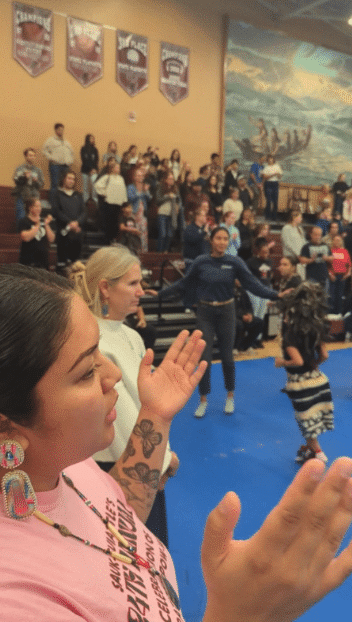
(photo by Michael Vendiola)
One of the earliest renditions of Native American Heritage Month was in 1916, when New York became the first state to declare an American Indian Day. According to the Native American Heritage Month website, “One of the very proponents of an American Indian Day was Dr. Arthur C. Parker, a Seneca Indian, who was the director of the Museum of Arts and Science in Rochester, N.Y. He persuaded the Boy Scouts of America to set aside a day for the ‘First Americans’ and for three years they adopted such a day.” In Washington, the intention of these resolutions and declarations were put in place to acknowledge the contributions and achievements of Native people to this nation and the world at large.
The following are some Native people who are important to know about and learn from as they dedicated their lives to working for Native people:
- Vine Deloria Jr. (Standing Rock Sioux) was an author, theologian, historian, and activist for Native American rights. He was widely known for his book “Custer Died for Your Sins: An Indian Manifesto,” which helped attract national attention to Native American issues in the same year as the Alcatraz-Red Power Movement.
- Billy Frank Jr. (Nisqually), activist and tribal sovereignty advocate, played a key role, a grass roots role, in the ‘Fish Wars’ of the 1960s and 1970s, resulting in a landmark decision affirming tribal fishing rights.
- John McCoy, lulilaš (Tulalip) was a former Washington state Senator who authored legislation requiring the teaching of Native history in Washington’s public schools, the Since Time Immemorial Curriculum. McCoy was a U.S. Air Force veteran and served 17 years in the Washington State Legislator..
- Connie McCloud (Puyallup) is the culture director of the Puyallup Tribe, and leader of Puyallup canoe families. She’s a strong advocate for healthy living and cultural retention and protection.
- Ramona Bennett (Puyallup) is the former chairwoman of the Puyallup Tribe. Also a leader and activist who was involved in the 1960s and 1970s Fish Wars. Bennett co-founded the Survival of American Indians Association in 1964, an organization that helped bring local ‘fish-ins’ to national prominence.
- Bernie White Bear (Colville) is an activist and co-founder of the Seattle Indian Health Board, the United Indians of All Tribes Foundation, and the Daybreak Star Cultural Center, established on 20 acres of land acquired for urban Indians in Seattle.
- Emmett Oliver (Quinault) was a veteran and the first Director of the Office of Indian Education for Washington State. In Washington’s Centennial year of 1989, Oliver brought forward the resurgence of our traveling canoes (family canoes) known as canoe journey; in 1989 it was called the Paddle to Seattle.
- Deborah Lekanoff (Tlingit) Representative Debra Lekanoff represents the 40th legislative district of Washington state, which includes parts of Whatcom, Skagit and San Juan counties.
Support Native people year round by donating to Native nonprofits and Native educational institutions:
- Northwest Indian College (NWIC): Through education, Northwest Indian College promotes Indigenous self-determination and knowledge. Northwest Indian College‘s main campus is located at the Lummi Nation. The College also has six full service extended campus sites located at Muckleshoot, Nez Perce, Nisqually, Port Gamble S’Klallam, Swinomish, and Tulalip.
- Northwest Washington Indian Health Board (NWWIHB): The Northwest Washington Indian Health Board provides public health services and advocates for improvements in Native health for Tribes in Northwest Washington. They are a non-profit corporation with Tribal representatives on our Board of Directors from the Lummi, Nooksack, Samish, Swinomish, Tulalip and Upper Skagit Tribes.
- Setting Sun Circle: Setting Sun Circle, formally known as Children of the Setting Sun Productions, creates and shares Indigenous stories of gratitude, generosity, and respect. They empower the minds and hearts of future generations, and endeavor to provide leadership is fueled by Science and Spirit. They are taking an integrated approach to expand and deepen our reach. They Create, Share and Educate in order to influence academia, activism, and policy development.
- Lheq’temish Foundation: Lhaq’temish Foundation is a 501(c)3 nonprofit organization chartered to protect and improve the health and quality of life for the Lummi Nation and to fulfill social, educational and cultural purposes. They strive to develop projects that serve our mission and meet critical gaps in existing community services. They pride ourselves on empowering natural community leaders, through fiscally sponsored projects, to achieve their visions for a healthier and more prosperous community.
- Native American Rights Fund (NARF): Since 1970, the Native American Rights Fund (NARF) has provided legal assistance to Native American tribes, organizations, and individuals nationwide who might otherwise have gone without adequate representation. NARF has successfully asserted and defended the most important rights of Indians and tribes in hundreds of major cases, and has achieved significant results in such critical areas as tribal sovereignty, treaty rights, natural resource protection, voting rights, and Indian education.
- Mother Nation: Mother Nation is a 501(c)(3) non-profit organization that delivers social and cultural healing services for Native women that nurture, create stability, and inspire growth through sisterhood. They provide cultural healing circles, homeless prevention, mentorship, workshops, and training to transform the journey of Native women into natural leadership and restore the cultural strength of Native people in the world.
- Native Forward Scholars Fund: Throughout their 50-year history, Native Forward has empowered over 22,000 students from over 500 Tribes in all 50 states by providing scholarship dollars and support for services for undergraduate, graduate, and professional degrees.
- National Indian Education Association (NIEA): NIEA was formed in 1969 by Native educators and advocates who were anxious to find solutions to improve the education system for Native children. The NIEA Convention was established to mark the beginning of a national forum for sharing and developing ideas, and influencing federal policy. NIEA advocates for policies and creates programs that support self-determination and the development of comprehensive culturally-grounded learning opportunities for Native students. By empowering the capacity for self-determination, our communities gain the skills, knowledge, and voice to nurture the strengths, resilience, and intelligence of our Native youth grounded in traditional Native ways.
- Native Wellness Institute: The Native Wellness Institute was founded in 2000 by a knowledgeable and dedicated group of Native individuals, including tribal leaders, committed to making a positive difference in Indian country. They are a 501(c)3 non-profit organization serving as the leading provider of Native-specific and wellness-related training and technical assistance to Native people, communities, tribes, and organizations throughout North America.
- American Indian College Fund: Since its founding in 1989, the American Indian College Fund has been the nation’s largest charity supporting Native student access to higher education. They provide scholarships and programming for American Indian and Alaska Native students to access higher education. And once students are in college, they provide them with the tools and support to succeed.
- Urban Indian Health Institute (UIHI): Urban Indian Health Institute (UIHI) is leading the way in research and data for urban American Indian and Alaska Native communities. As a Public Health Authority and one of 12 Tribal Epidemiology Centers in the country—and the only one that serves Urban Indian Organizations nationwide—UIHI conducts research and evaluation, collects and analyzes data, and provides disease surveillance to strengthen the health of American Indian and Alaska Native communities.
Shop local while supporting Native vendors and craftspeople for your holiday shopping.

(photo by Michelle Vendiola)
Other significant dates to Native people in Coast Salish territory:
- Treaty Day – January 22 each year, to commemorate the signing of the Point Elliott Treaty in 1855
- Indigenous Peoples Day – The second Monday of October each year
- First Salmon Ceremony – Annually in the spring (May or June)
Relating Resources:
- Native American Heritage Month
- U.S. Department of Interior Affairs | National Native American Heritage Month
- Smithsonian | Native American Heritage Month
- The White House | A Proclamation on National Native American Heritage Month, 2024
- Daybreak Star | History of Indigenous Peoples’ Day in Seattle (2018)